1)Bubbling toilets/toilet water level drops
Sewer backups are one of the most unpleasant things a homeowner can deal with. When the sewer gets clogged, anything that is put down the drains comes back up into the house. That is not what we want; we put those things down the drain for a reason!
When the line is backing up into the home, we know that we have an issue. But is there a way to tell that the line is becoming clogged, before it actually floods? Actually, yes. Before a clog causes sewage to back up into the home, there is usually a tell tale sign that the line is becoming clogged, and it shows up at the toilets.
There are two signs that can indicate a developing sewer blockage; one is bubbling or gurgling showing up in the toilet bowl, and the other is a dropping water level in the toilet bowl.
Bubbling or gurgling is caused by pressure changes in the piping as the sewer pipe fills up with waste water. Normally, the water in a toilet bowl should be still. If you notice any unusual sounds or movement, this is definitely a time to stop running water down the drains and call a plumber to evaluate.
A dropping water level is also common. This is caused by a partial blockage in the sewer that drains out slowly, siphoning the water out of the toilet bowl. Same as with bubbling or gurgling, it is important to stop running water down the drains and have a plumber clear and evaluate the drain. Toilets don’t just siphon out on their own! If this happens to you, you have a problem that will only get worse.
2)Less hot water
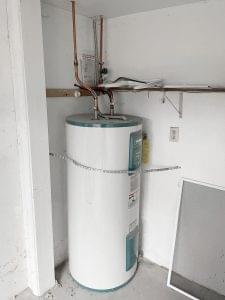
The second warning sign is less hot water than there used to be. If there is less hot water than previously, this means that some component in the water heater or the hot water system is failing and needs to be repaired. This could be caused by a failed element, broken dip tube, leak on the hot water side, or many other things, but in any case, it is a sign of a problem and will not get better on its own. Some of these issues can also lead to property damage and flooding if left untreated.
3)Low Water Pressure
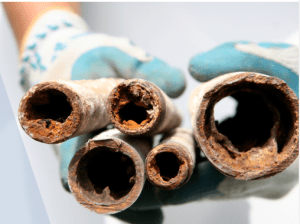
Low water pressure is a common complaint in Eugene/Springfield and in our area, it is most commonly caused by galvanized steel water piping. In Lane County, a lot of the housing was built between 1950 and 1975, and during that time period water lines were run with steel piping. Well, after 60 or 70 years that piping is now all starting to rust, and the rust particles end up clogging faucets, showerheads, toilets, and anything else they can get stuck in. It is possible to clean the debris out of the fixtures to improve the water pressure, but it will keep coming back until the galvanized piping is replaced with new materials. If you are having low water pressure, you are going to want to verify what material your piping system is, and have any galvanized steel pipe replaced. This includes the water service, which is the pipe that runs underground from the street to the house. These water services were also commonly run with steel pipe and are now rusting in the ground due to all of the moisture.
4)Leaks
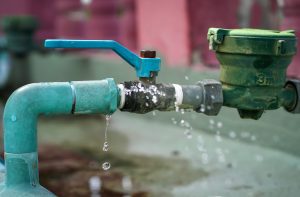
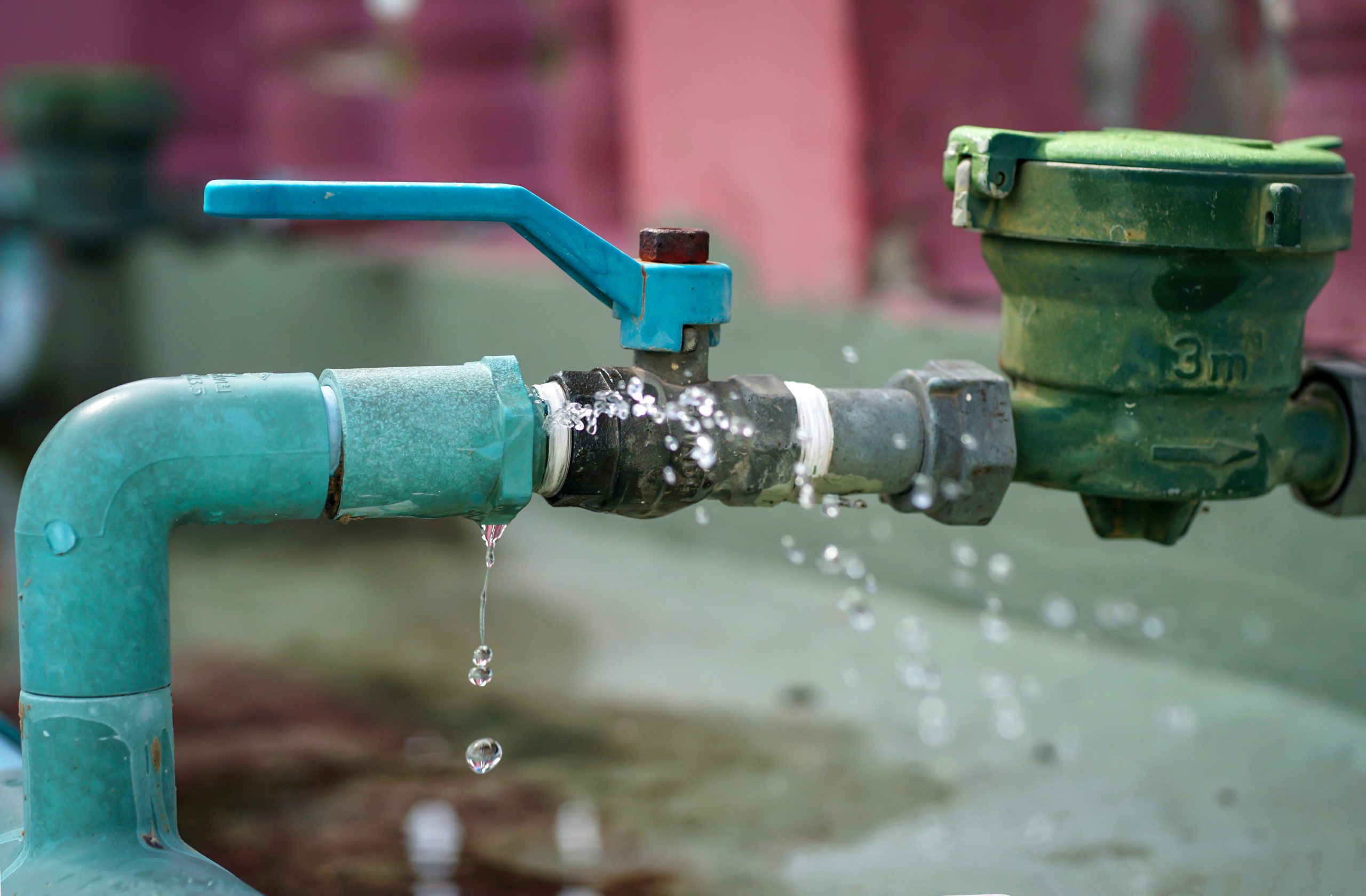
Leaks don’t fix themselves; that’s what plumbers are for. If you have leaks, it is always a good idea to get them fixed sooner rather than later. This is because even a small leak can cause a tremendous amount of property damage, especially when mold starts to show up. Leaks also cause a lot of wasted water, leading to high water bills. And if the leak is on a hot water pipe, you are also paying to heat all that water just to have it run out.
Any sign of water in an area where it shouldn’t be needs to be taken seriously. This could be water in the crawlspace, on the floor, in cabinets, or on piping. But what if the leak is not visible? Is there a way to tell if there’s a hidden leak?
Yes! To find hidden leaks, you’re going to want to locate your water meter. This is usually in a box in the ground out by the street. These meters show flow, either with a turning dial or a digital readout. Make sure nothing is running in the house, and then watch the meter. If the meter is showing flow with no fixtures on, then you have a leak somewhere. You can calculate the size of the leak by counting how many gallons are flowing out in a minute.
If you know you have a leak but you aren’t sure where, that is a good time to call a plumber or a leak detection company to find the leak.
5)Repeated clogs
As we all know, clogs are when water put down the drain doesn’t go away like it’s supposed to. They can occur on any fixture, or on the sewer line draining the whole house. Any clog should be taken seriously, especially if it happens more than once on the same fixture.
There are two reasons clogs can happen; because incorrect materials were put down the drain, or because there is something wrong with the pipe that is causing it to clog. For example, galvanized steel drain pipes rust over time and create a rough surface that catches debris very easily. Or roots can make their way into the pipes, breaking them apart and blocking flow.
The important thing to remember is that if a pipe is repeatedly clogging, there is likely something wrong with it that needs to be fixed. Rather than throwing away money getting the same pipe unclogged repeatedly, it is better to take the time to get a permanent fix that will truly solve the issue.